

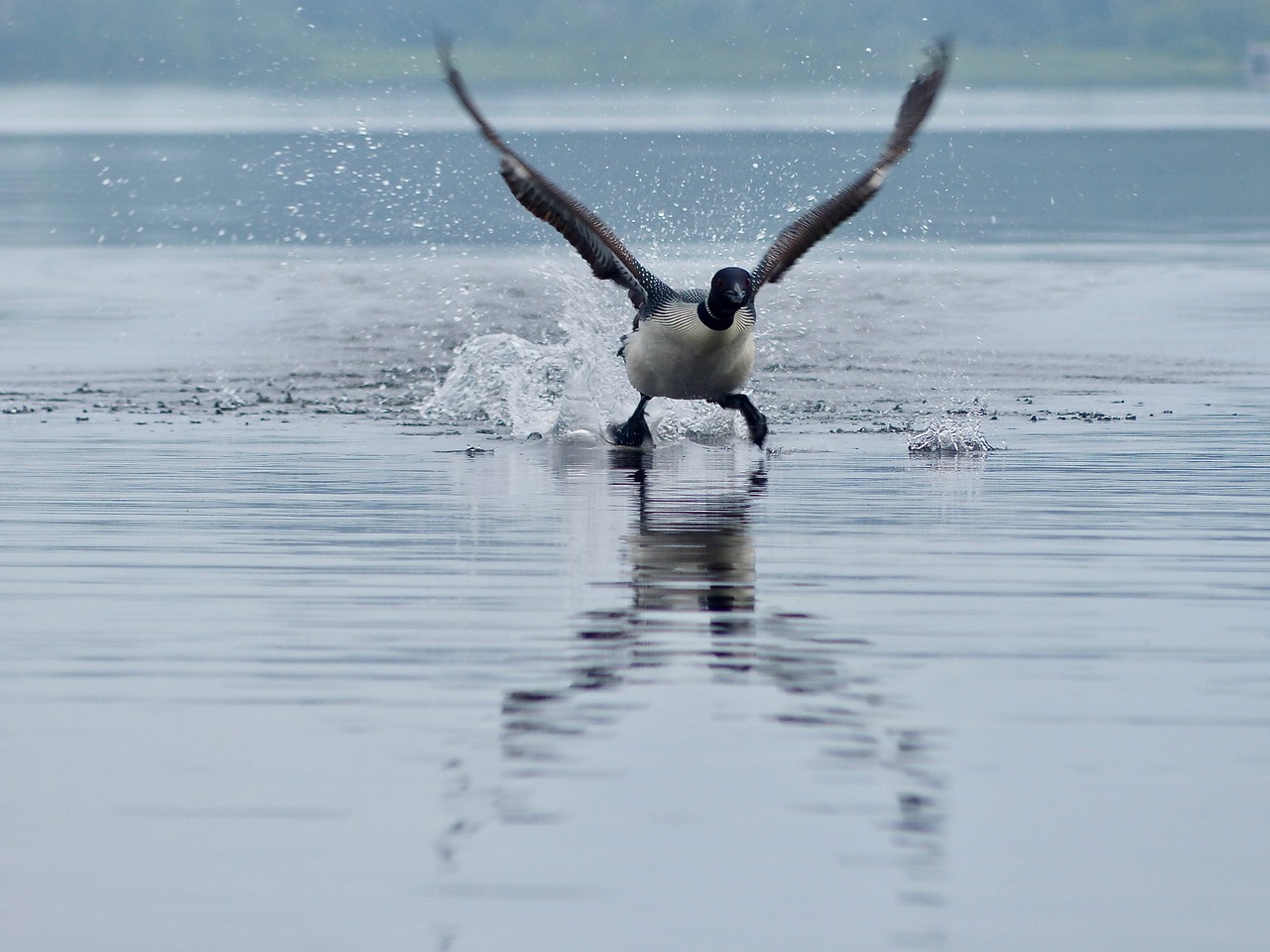
 Sometimes something unfolds in a way that leaves me in awe. This is one of those stories for me.
When I got attacked by the dog, both sleeves of my jacket got ripped. The owner offered to pay for it, but I really like my jacket. I wasn’t ready to be done with it yet. I found myself defending my decision. It happened the end of December so most winter jackets you’d find in stores would likely be picked over at this point. And maybe I could have gotten a deal, or found one in a thrift shop as some suggested, but honestly, I wasn’t up for shopping around.
I reached out to my quilting friends to see if anyone had any scraps of fabric I could have that might match. I wanted to try to patch it. It could add character to the garment. I was open.
One of my friends had a quarter yard of fabric with a loon theme. It was a perfect match and I love loons. I photograph them often and welcome hearing their eerie call on warm summer nights.
With a little coaching I went to work. Initially I was just going to patch the sleeve with the chunk of fabric 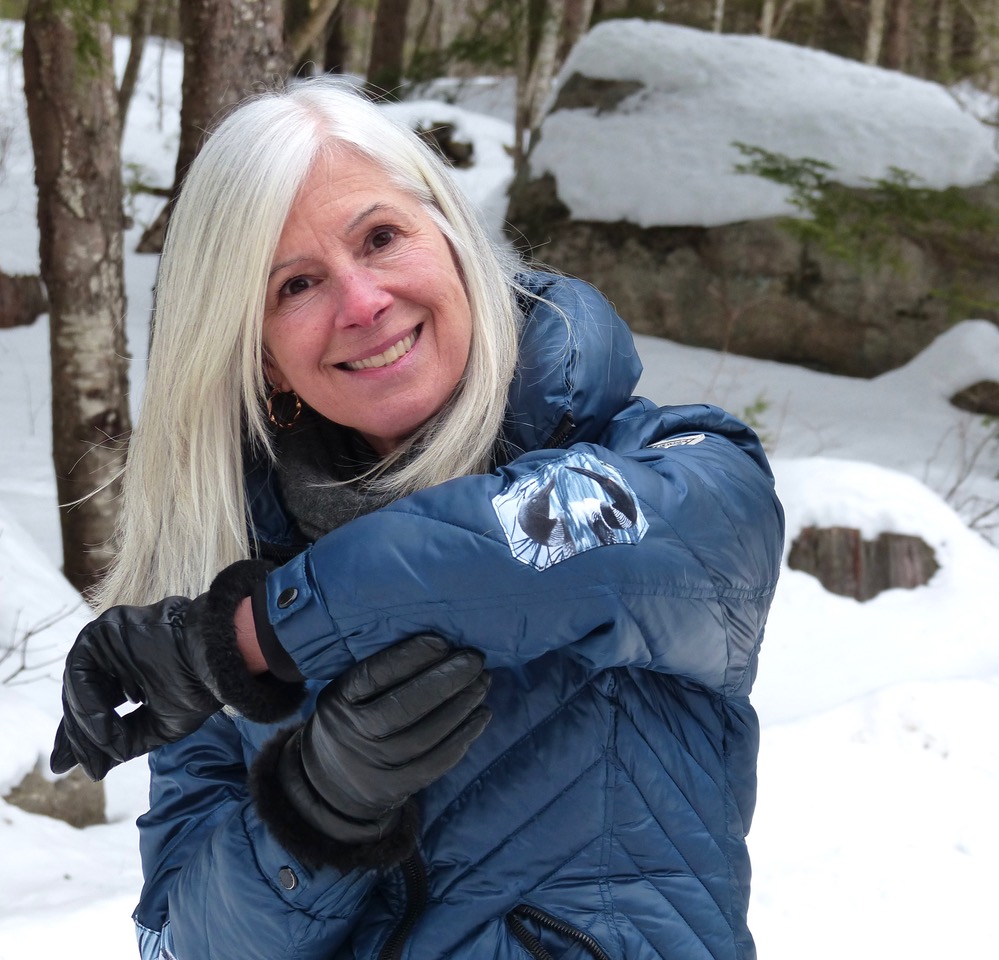 missing, but then we decided that the only way to mend the other sleeve with 2 smaller tears was to patch that sleeve also. I didn’t set my hopes too high. Making it through the season and having some fun sewing were fine goals. But when all was said and done, I really liked the outcome. My crafting friends liked it too. I found myself smiling every time I put it on.
A couple weeks later I was catching up with a friend on Zoom. I grabbed my coat to show her my artistry. She knew the dog part of my story—she had read my previous blog post. This friend had spent a few years in Japan teaching, and on hearing my story was excited to share a Japanese tradition she had learned.
She told me that in Japan, when a piece of pottery breaks, they patch it with gold. This Japanese tradition is called kintsugi. It means golden joinery. The premise being that the item is even more beautiful and unique after being mended. The cracks are viewed as part of the pottery’s history. This tradition highlights the flaws rather than masking them, and “the concept can also be applied to mending our heart/life with love and light and then becoming a different and more beautiful version of oneself,” shared my friend.
She had learned that wabi-sabi is the philosophy kintsugi is rooted in, (not to be confused with the condiment wasabi). Wabi-sabi is the practice of finding beauty in imperfection. It is one of the concepts at the core of the Japanese tea ceremony. My experience with this dog definitely proved valuable as you saw from my previous post. I emerged from my introspection more healed, humbled and whole. I had discovered the beauty in the imperfection and was wearing its essence. No wonder I smiled every time I put on the jacket.
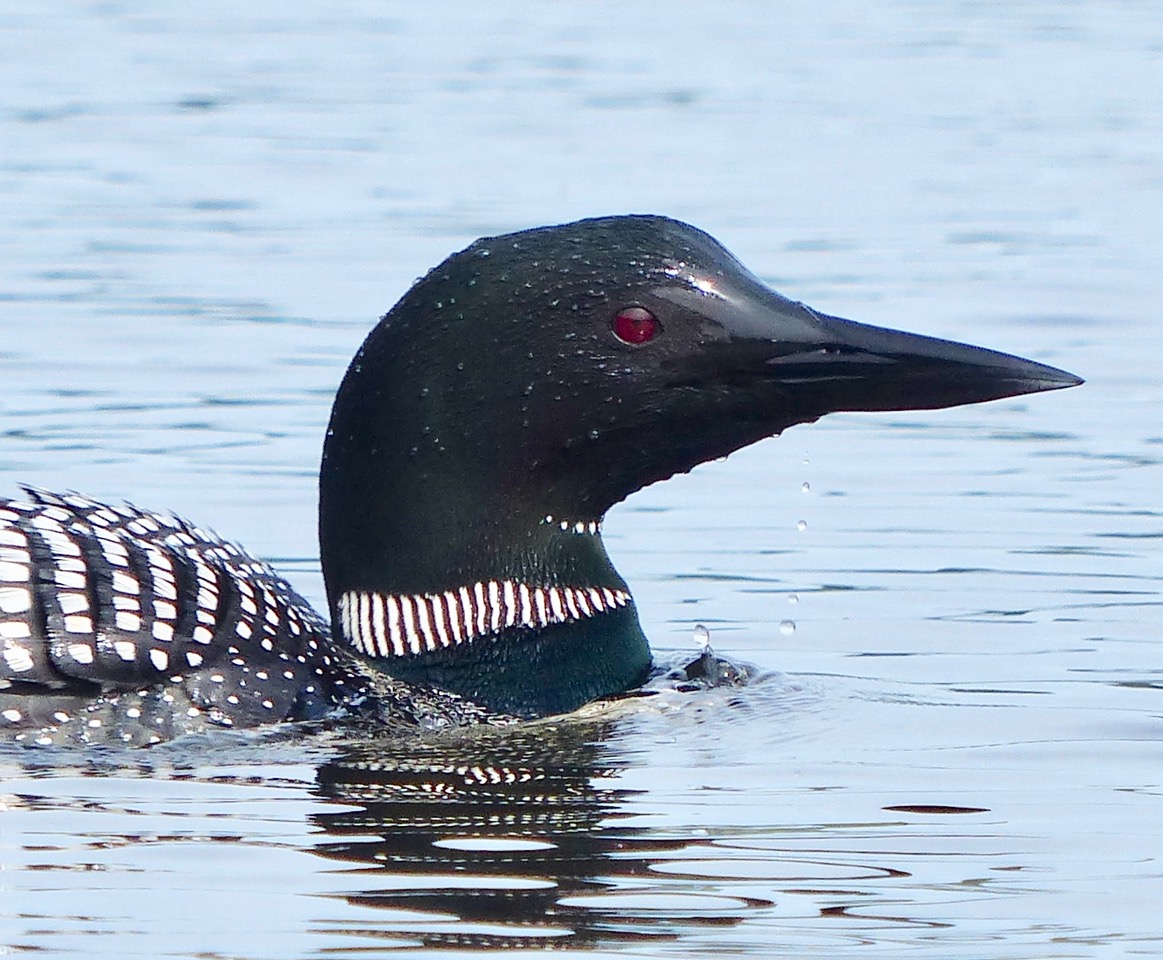
From my research I found that the practice of kintsugi is about transformation and reflects the idea that life's struggles and scars have value that adds character. One of the loons I chose from this piece of fabric is gazing at its reflection in the water to symbolize the self-reflection I did following the bites. I wanted to take with me what I can thrive on, not a victim story. When I can extract the value from an experience I can let go of the rest. And yes, I do have a little PTSD around dogs now. I’m not embarrassed about it. I just want my dog-owner friends to be mindful, myself included, because even a good dog thinks like a dog. It’s easy to anthropomorphize them which can set them up for failure.
In my first encounter following the bite, a friend’s dog was off leash and barking as I approached. I 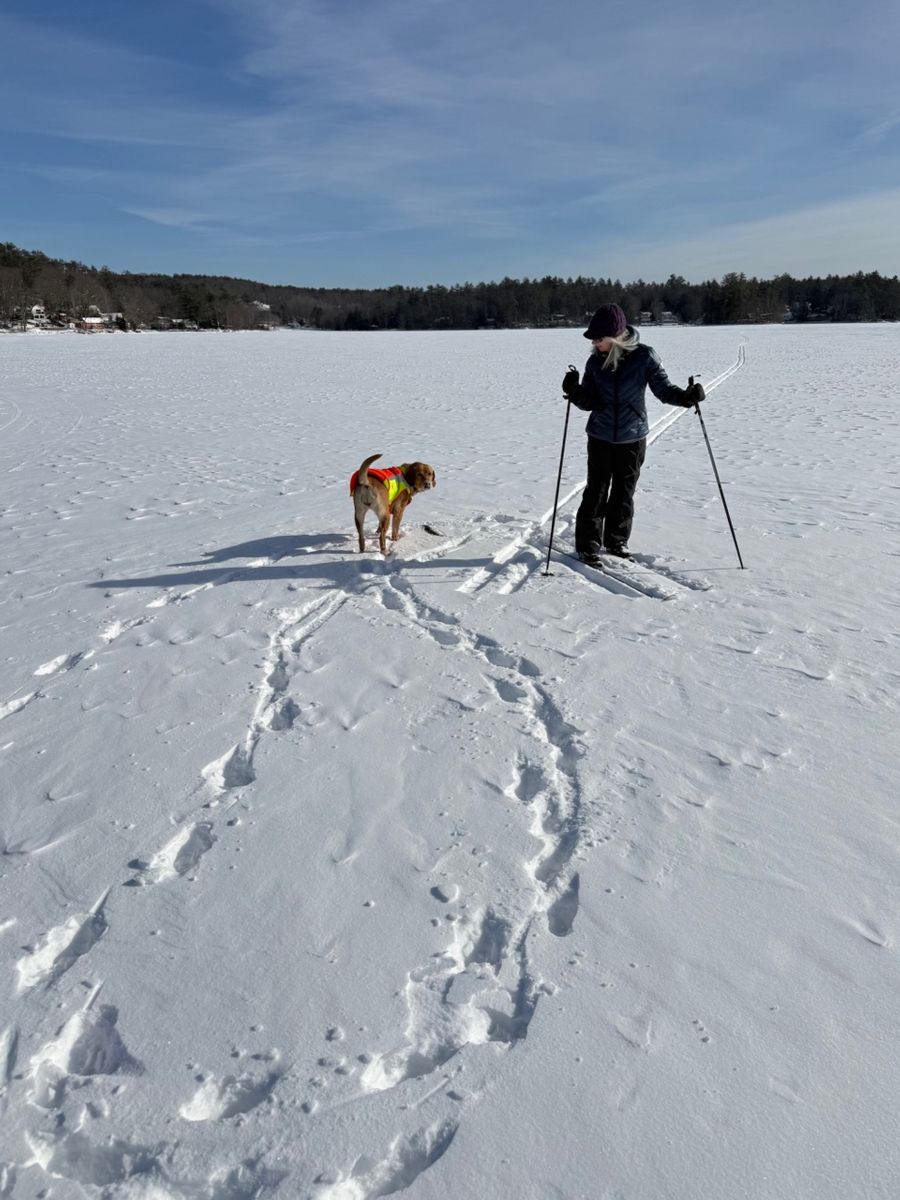 reminded her that I have a little PTSD and that this was good for me. She called her dog who obediently came to her side. We talked for a minute and then, once calm (me and the dog), my friend allowed her to approach. We had a lovely exchange. The second loon I had chosen for my jacket was in a peaceful state. How interesting. My friend snapped this picture at the time, which was interesting too.
I have learned over the years that with intuition the logic comes later. I am so glad to have shared the story of my jacket with my friend who is familiar with Japanese culture. Her knowledge helped me find the words to explain what had unfolded in choosing mending versus discarding. It is the picture, in art form, of how brutal honesty can spin any tale into an opportunity for learning, healing and growth. And the loon is a symbol of deep introspection. How perfect!
Can you believe my friend had fabric with loons on it that matched perfectly? And that my other friend is versed in Japanese culture? What are the chances? Synchronistic.
When I searched, “kintsugi,” the AI Overview called it “a metaphor for life, teaching that overcoming adversity, trauma, and loss leads to growth, making us stronger, more unique, and more whole, reflecting Japanese concepts like wabi-sabi (beauty in imperfection) and mottainai (avoiding waste).”
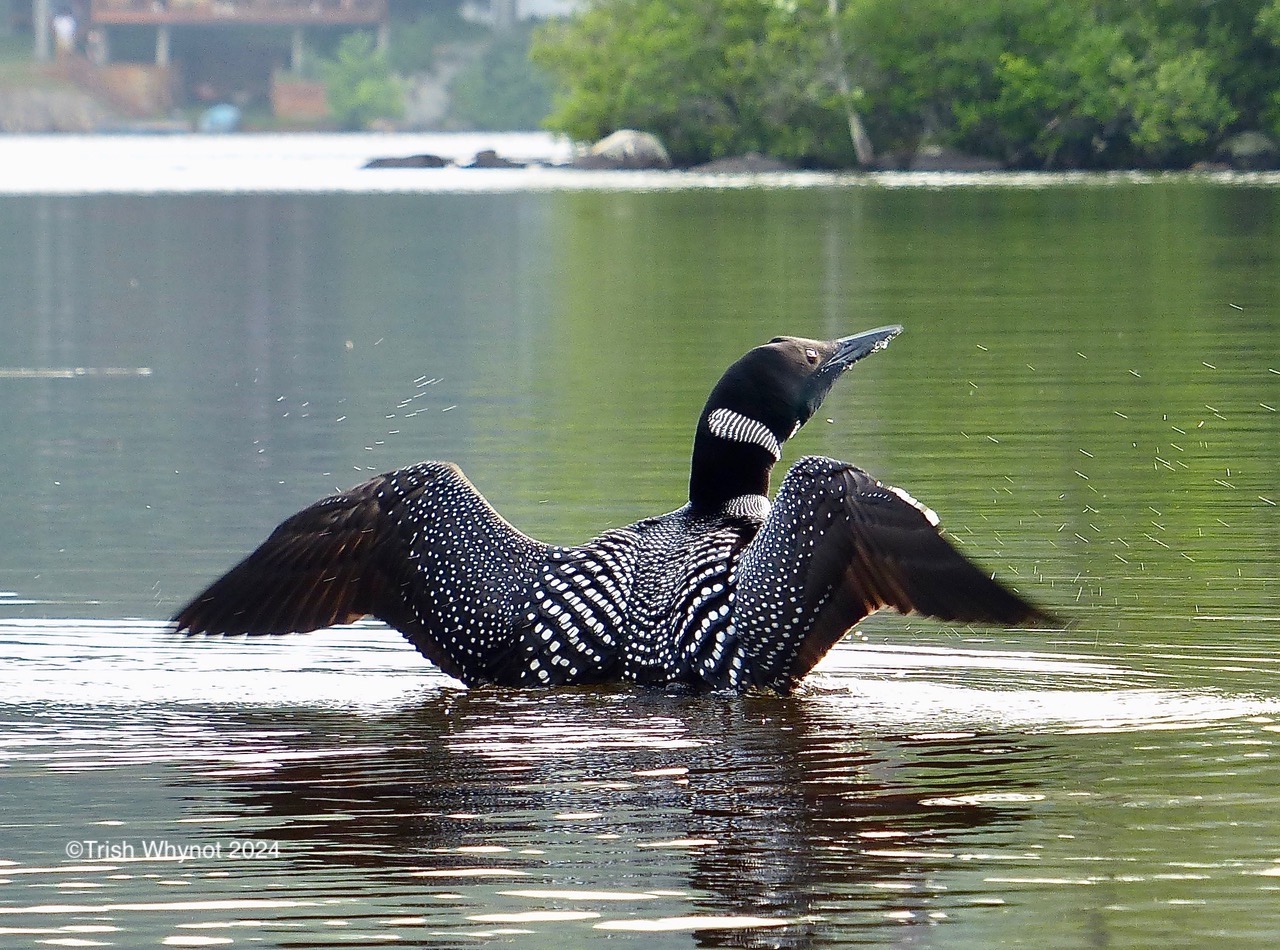 I couldn’t have said it better myself. See why I am left in awe? You can’t make this stuff up.
I didn’t mend the coat to save money. Nor did I want it to end up in a landfill. I followed my heart and was led down a path that might not have seemed logical at first. What is the phrase, “A picture is worth a thousand words?” Finding opportunity in life's obstacles / beauty in imperfection is the coat I want to don each day.
I hope that putting into practice the Japanese philosophies of kintsugi and wabi-sabi leave you in awe too. We could use more awe, wonder and enchantment these days. Next time I catch up with my friend I want to hear more about Japanese Tea Ceremonies.
Friends in this Love,
Trish









As usual Trish your blog is filled with wisdom and has come at the exact right time. As a beginner quilter and crafter I often have to remind myself that perfection is not the goal but creating something beautiful and satisfying is.
The mantra I carry about things that are less than perfect is: If you can’t hide it then flaunt it.
Thanks for sharing your journey. ??
Helen
Hi Helen,
Always nice to hear from you! Glad to hear I had good timing. Thank you for making time to share your insights. It is easy to get stuck in perfection. "If you can't hide it then flaunt it," is a good mantra.
Enjoy your quilting and crafting. I hope kintsugi and wabi-sabi add dimension to your experience!
Trish
Another great story .. and how true some times the best things are ones that other see no value , yet we can
Hi Michele,
Thank you! Not being attached to what others see and think. Great takeaway!
Thank you for making the time to comment. It means a lot.
Trish
What a lovely story and outcome. (Sorry about the dog, I hadn't seen that post. I was attacked in a schoolyard as a child, and my big winter coat saved my tiny arm!) Your jacket now tells a bit of your story...that you mend things instead of discarding, and that is another way to appreciate Nature, to reuse and repair. Have always loved the idea of things having more history and age, rather than off the rack/shelf and pristine. The loons are beautiful, in your photos and adorning your clothing.
Hi Jennifer!
I'm glad you enjoyed my story. I'm sorry to hear about your attack experience and happy for your coat. Thank you for taking time to comment and for sharing your takeaways.
Friends in this Love,
Trish
Trish - I missed the post about the dog biting incident but this story is truly inspiring and a learning moment for all of us through your words.
Thank you, Christine, and thank you for taking the time to share how my experience touched you. I've learned a lot from you too.
Reminds me of the words of Ram Dass: "We're all just walking each other home." To me that's back to the Love from which we came.
Namaste
Hi Trish,
Your post had me thinking of our blind spots. Instead of being hurt or traumatized, we can decide to, and be open to "find(ing) opportunities in life's obstacles/beauty in imperfection."
Removing a blind spot.
Scott
Scott,
Thanks for sharing your insights. Being curious about feeling hurt or feeling more than a situation should warrant will take us to what needs attention for sure. Life is rich with opportunities for learning, healing and growth.
Trish